Elephant country
Look for elephants across woodland and river habitats. Their movements change with water, season and local conditions.

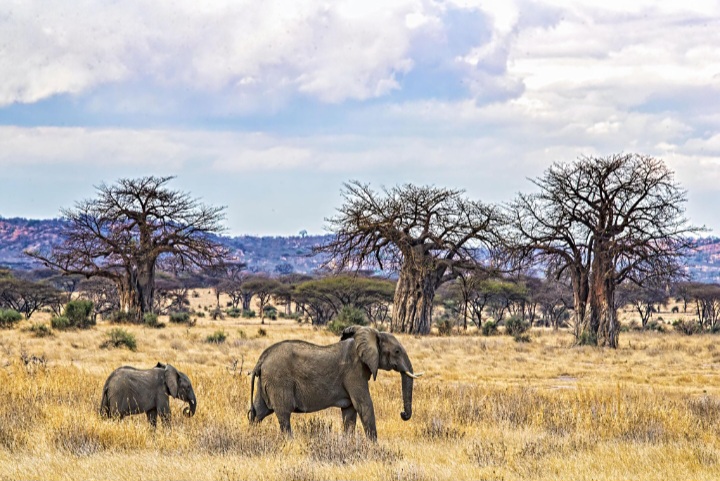
SOUTHERN TANZANIA'S WILD HEART
Vast wilderness. Powerful wildlife. Untamed Tanzania.
Discover a remote Southern Tanzania safari shaped by elephants, baobabs, river habitats and open wilderness. Plan a route that gives you time for the journey as well as the game drives.
Southern Circuit · Wildlife · Wilderness
DISCOVER RUAHA
Ruaha National Park is a large wilderness destination in south-central Tanzania. Savannah, miombo woodland, rocky terrain and river habitats create a varied setting for game drives and wildlife observation.
The park is known for elephants and a range of predators and antelope. The Great Ruaha River and seasonal water sources shape wildlife movements, particularly as dry-season conditions develop.
Ruaha is best suited to travellers who can allow time for the route and want a less hurried safari experience. Sightings depend on the season, habitat and natural animal movements.
WHY VISIT RUAHA
Plan around Ruaha's wildlife and landscapes, with activities arranged according to park rules, season and availability.
Look for elephants across woodland and river habitats. Their movements change with water, season and local conditions.
Lions, leopards, cheetahs and African wild dogs occur in the wider Ruaha ecosystem, but sightings are never guaranteed.
Explore areas around the Great Ruaha River, an important feature of the park and a focus for wildlife during drier periods.
Take in open savannah, baobab-studded scenery, miombo woodland and rocky views across this southern landscape.
WILDLIFE & HABITATS
Potential sightings include elephants, buffalo, giraffes, zebra, impala and other antelope. Predators such as lions, leopards and cheetahs also occur, while African wild dogs range widely through the region.
Ruaha is also associated with greater and lesser kudu, sable and roan antelope. Wildlife is wild: no species or sighting can be promised, and an experienced guide will adapt the day to current conditions.
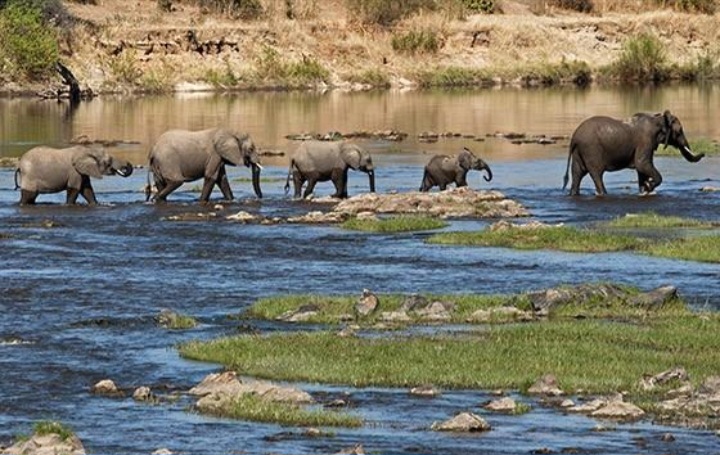
THE PARK'S LIFELINE
The Great Ruaha River and its associated habitats are among the defining features of the park. Water availability changes through the year and influences where animals gather and how they move.
Game drives near river corridors can offer opportunities for wildlife viewing and birdwatching. Conditions and access vary, so follow current guidance from your guide and park staff.
PLAN YOUR ROUTE
Allow for travel connections and time in the park. The most practical route depends on your dates, transport and onward destinations.
Base your trip around game drives and a lodge or camp that suits your route and preferred safari style.
Pair Ruaha's remote wilderness with Mikumi, allowing for the road journey and time at both parks.
Finish a mainland safari with an island stay, based on available flights and suitable transfer connections.
Combine wildlife drives with Eastern Arc forest and hiking, subject to route timing and current access conditions.
WHEN TO VISIT
Ruaha can be visited throughout the year. Drier months are often popular for wildlife viewing as vegetation thins and animals may concentrate near water. Wetter conditions can bring greener scenery and affect road access. Check current park and road conditions for your dates.
GETTING TO RUAHA
Ruaha is a remote destination, so transport should be planned alongside your accommodation and park itinerary.
Road itineraries commonly travel through Iringa and continue toward the park. Allow for variable journey times and check current road conditions.
Scheduled or charter air services may be available for relevant dates. Confirm routes, baggage rules, airstrip transfers and schedules before booking.
Choose a road-based Southern Circuit or flights where suitable. The best option depends on your available time and route.
Use permitted vehicles and authorised guides. Check the operating details of your selected lodge or camp.
WILDLIFE SAFETY
Ruaha is a wild environment. Remain in the vehicle except where specifically permitted, keep a safe distance from animals and follow your professional guide and ranger at all times.
RUAHA FAQ
Ruaha is known for its Southern Tanzania wilderness, elephants, predators, baobabs, diverse habitats and the Great Ruaha River.
Wildlife may include elephants, lions, leopards, buffalo, giraffes and several antelope species. African wild dogs and other predators also occur in the region, but sightings are not guaranteed.
African wild dogs occur in Ruaha, but they range widely and sightings cannot be guaranteed.
June to October is often preferred for wildlife viewing as conditions become drier. Ruaha can be visited year-round, though rain can affect tracks and access.
Three or more days can allow time for game drives and travel logistics, while longer stays suit a slower safari. The right duration depends on transport, accommodation and your itinerary.
Ruaha can be reached by road via Iringa and Tungamalenga or by air using available scheduled or charter services. Routes, schedules and transfers should be confirmed for your travel dates.
Ruaha may be combined with destinations such as Mikumi, Udzungwa, Nyerere or Zanzibar. The practical route depends on available time, transport and current conditions.
The cost depends on dates, group size, accommodation, transfers, park fees and activities. Contact KiliWings for an itinerary-based quote and confirm current official park tariffs before travel.
DESIGN YOUR RUAHA JOURNEY
Share your travel dates, group size and preferred safari style. KiliWings can help shape a Ruaha itinerary around confirmed transport, accommodation and park conditions.